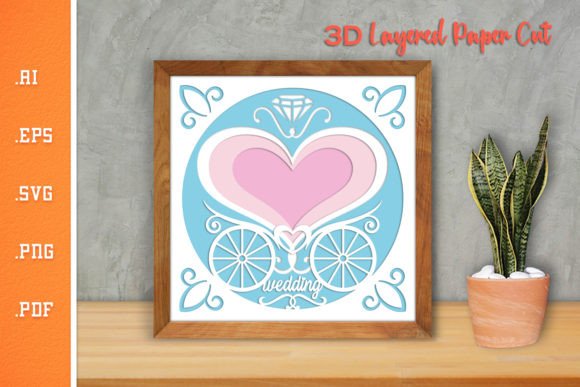
Reviewing the Wedding Couple Layered Paper Cut Design
As a designer who spends more time staring at stitch maps than actual fabric, I have developed a specific eye for what translates well from screen to thread. Recently, I pulled up the Wedding Couple Sign Layered Paper Cut design to evaluate its potential for a client’s upcoming boutique line. At first glance, this piece sits firmly in the Crafts and Graphics intersection, mimicking the trendy 3D layered paper art style that has dominated social media feeds for the last few years. But does this aesthetic hold up under the needle? Is it merely a pretty picture, or is it a viable machine embroidery design for real-world production?
My initial impression was one of delicate romance. The silhouette of the couple, framed by arches and floral motifs, creates a soft, inviting mood. It feels intentional and curated, lacking the clutter that often plagues freebie designs. However, the true test for any embroidery professional is not how it looks on a white background in a preview image, but how it behaves when stitched out on textured fabrics, stretched over hoops, and subjected to the realities of garment construction.
The Customization Advantage: A Designer’s Dream
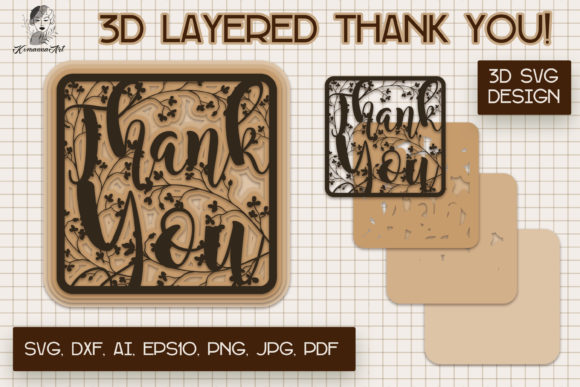
The most compelling feature of this embroidery file is its structural intelligence. It is designed with a deliberate empty space, specifically intended for personalization. The instructions note that you can add your own name text using your favorite handwritten script fonts on the third layer. For an Etsy seller or a small shop owner, this is gold. It transforms a static graphic into a dynamic template.
In a recent project, I used this concept to create a set of personalized tote bags for a bridal party. By selecting a flowing, high-contrast script font for the third layer, I was able to bridge the gap between the rigid, architectural lines of the paper-cut style and the organic feel of a wedding celebration. This flexibility allows you to maintain brand consistency while offering unique, personalized gift options. Whether you are creating sweatshirt embroidery for a cozy winter collection or delicate baby embroidery for a nursery reveal, the ability to swap typography means this single asset can serve multiple product lines.
Real-World Application and Fabric Considerations
When I moved from digital mockup to physical sampling, the behavior of the design varied significantly based on the substrate. On a sturdy cotton canvas tote bag design, the layers popped beautifully. The contrast between the satin stitch borders and the fill stitch interiors provided the necessary depth to mimic the 3D paper effect. However, when I attempted to stitch this on a thinner, stretchy jersey for a custom apparel line, I encountered challenges.
The intricate details of the layered look require precise tension control. On stretchy fabrics, without adequate stabilization, the finer elements risked puckering. I found that using a cut-away stabilizer was non-negotiable for maintaining the integrity of the shape. Furthermore, the stitch density must be carefully reviewed. If the design relies too heavily on dense fills to create shadow effects, it can become stiff and uncomfortable on wearable items like t-shirts or caps. For curved surfaces like hats, I would recommend simplifying the inner layers or reducing the overall size to prevent distortion.
For home decor items, such as pillow covers or kitchen towels, the design shines. The structured nature of the paper-cut aesthetic complements the flat, stable surface of linen or cotton twill. Here, the visual appeal translates directly into perceived value. A well-executed embroidered patch or direct stitch on a cushion cover feels luxurious and thoughtful, enhancing the handmade product presentation.
Navigating Technical Challenges
While the Wedding Couple Sign Layered Paper Cut is visually striking, it demands respect during the digitizing and stitching process. There are areas where caution is required. The tiny corners and overlapping elements that define the "layered" look can easily turn into bird’s nests if the trim settings on your machine are not optimized. I strongly advise testing the design on scrap fabric before committing to final production pieces.
Color selection is another critical factor. Because the design relies on layering for depth, your choice of thread colors dictates the readability of the image. High contrast works best. Using similar shades for adjacent layers can cause the details to blur, especially from a distance. I recommend creating black and white mockups first to ensure the silhouette remains distinct regardless of color. Additionally, consider the background fabric. On dark fabrics, you may need to add an underlay or adjust the stitch angles to ensure the top threads cover the base material completely, avoiding any unsightly gaps.
Another consideration is the scale. If you shrink this design too much for small hoop sizes, the textual element on the third layer may become illegible, and the fine details of the couple’s silhouette may merge. Always confirm the minimum viable size by checking the smallest detail in the design against your needle and thread thickness.
Commercial Viability and Brand Impact
From a business perspective, this design asset offers strong potential for commercial embroidery projects. It fits seamlessly into the current market demand for meaningful, customized decor and apparel. For digital embroidery file sellers, offering this as a customizable template could increase engagement, as buyers love the creative freedom to add their own touch. For those selling finished goods, it adds a layer of professionalism and exclusivity.
The design enhances customer trust because it looks complex and high-effort, even if the stitching process is straightforward with the right setup. It elevates the perceived quality of the finished product, whether it is a holiday gift, a wedding present, or a boutique merchandise item. However, always verify the licensing terms. Ensure that the design assets allow for commercial use if you plan to sell the stitched items or include them in a larger digital bundle.
Final Verdict for Makers and Designers
The Wedding Couple Sign Layered Paper Cut is a versatile and emotionally resonant addition to any designer’s library. It bridges the gap between modern graphic trends and traditional embroidery techniques. Success with this design lies in the preparation: choosing the right stabilizer, testing thread contrasts, and respecting the limitations of different fabric textures.
For hobbyists, it offers a rewarding challenge that results in a stunning keepsake. For craft business owners, it provides a flexible foundation for a wide range of products, from holiday embroidery ornaments to year-round personalized apparel. Just remember to treat it with the technical care it deserves. Check your hoop size, inspect those small details, and let the customization feature do the heavy lifting for your brand identity. With careful execution, this design will not only stitch out cleanly but also resonate deeply with your customers.