Review: 184 Catch the Stars 3d Paper Lightbox Design
As a designer who spends more time at the hoop than away from it, I approach every new digital embroidery file with a mix of excitement and skepticism. We have all bought designs that looked stunning in a thumbnail but turned into a thread-breaking nightmare on the machine. Today, I am evaluating 184 Catch the Stars 3d Paper Lightbox. While the title suggests a paper craft origin—specifically noting support for cutting machines like Cricut and Silhouette with SVG and PDF files—my job is to determine if this aesthetic translates effectively into a machine embroidery design for real-world products.
The Visual Mood and Design Personality
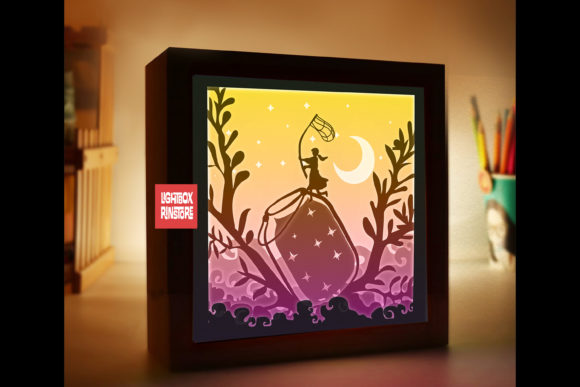
The first thing that strikes me about 184 Catch the Stars 3d Paper Lightbox is its whimsical, layered depth. Even before stitching a single thread, the layout screams "nighttime magic." The concept of catching stars implies a sense of wonder, making it an ideal candidate for nursery decor, baby items, or boutique apparel that targets a dreamy, soft aesthetic. The geometry appears clean, relying on distinct shapes rather than overly complex shading, which is crucial when translating a vector-based 3D SVG concept into thread.
For an Etsy seller or craft business owner, visual personality is everything. This design offers a strong silhouette that reads well from a distance. It does not rely on tiny, lost details that vanish after the first wash. Instead, it uses bold lines and open spaces that suggest the layered look of a shadow box without requiring the actual physical depth of one. This makes it versatile for flat surfaces like tote bags while still maintaining that premium, multi-dimensional feel.
Real-World Application: The Custom Sweatshirt Scenario
To truly test the viability of 184 Catch the Stars 3d Paper Lightbox, I imagined a specific client request: a custom sweatshirt embroidery project for a boutique selling cozy, celestial-themed loungewear. The client wanted something that felt handmade but polished enough for a higher price point.
In this scenario, the design shines. Placed centrally on the chest or slightly oversized on the back, the star motifs create an immediate focal point. Because the original files are optimized for paper layering (170g-220g), the digital assets likely possess clear separation between elements. When digitizing or adapting this for embroidery, this separation allows for excellent use of fill stitch and satin stitch combinations. You can achieve high contrast by using metallic threads for the stars against a deep navy or black fabric, mimicking the night sky.
However, a word of caution for apparel decorators: sweatshirt fleece has a significant fabric texture. If the design relies on extremely fine running stitch details, they may get lost in the nap of the fabric. I recommend reviewing the stitch density carefully. If you are working from the provided SVGs to create your own embroidery file, ensure your underlay is robust enough to prevent the fabric from peeking through the lighter colored threads.
Versatility Across Product Lines
Beyond apparel, where else does 184 Catch the Stars 3d Paper Lightbox fit? The adaptability is surprisingly high for a small shop product:
- Tote Bag Design: The clean lines work beautifully on canvas. A large hoop placement here allows the "catching" motion of the design to breathe.
- Baby Embroidery: For onesies or burp cloths, scale is key. This design can be reduced significantly without losing its identity, making it perfect for personalized gift sets.
- Embroidered Patch: The defined borders make this an excellent candidate for a merrow-edge patch, adding value to jackets or hats as a removable accessory.
- Home Decor: Think pillow covers or tea towels. The celestial theme fits perfectly with current boho-chic interior trends.
Technical Considerations and Fabric Challenges
No design is universal, and 184 Catch the Stars 3d Paper Lightbox requires thoughtful execution depending on your medium. Here is where practical judgment comes into play.
If you are attempting this on stretchy fabric like jersey knit, stabilization is non-negotiable. The geometric nature of the stars means any distortion will be immediately visible. A cut-away stabilizer is likely better than a tear-away for long-term durability, especially for items that will be washed frequently. For dark fabric, ensure your thread colors have enough saturation. A pale yellow might disappear against black; a vibrant gold or silver would pop much better.
Curved surfaces present another challenge. If you plan to use this for cap embroidery, the front panel curvature can distort wide designs. You may need to break the design into smaller sections or adjust the pull compensation to prevent puckering. Additionally, check the smallest corners of the star points. In a Shadow Boxes style design, sharp angles are common. In embroidery, sharp internal corners can be prone to bird-nesting if the digitizing isn't precise. Always run a test stitch-out on scrap fabric of the same weight before committing to the final finished product.
Enhancing Brand Value and Customer Trust
Why choose this specific design over others? It comes down to perceived value. A generic star clipart feels cheap. 184 Catch the Stars 3d Paper Lightbox, with its implied depth and narrative, feels intentional. When a customer sees this level of detail on a handmade product, it reinforces trust in your brand. It suggests that you care about the aesthetics of the embroidery project, not just the speed of production.
For commercial embroidery projects, consistency is vital. Since the source files include JPEGs and PDFs alongside SVGs, you have ample material to create printable mockup assets for your online store before you even stitch the first item. This allows you to gauge customer interest and refine your marketing visuals, ensuring your design assets align with your brand identity.
Final Verdict and Designer Notes
After analyzing the potential applications and technical requirements, 184 Catch the Stars 3d Paper Lightbox stands out as a flexible asset for creative entrepreneurs. It bridges the gap between digital paper crafting and textile art effectively, provided the user respects the limitations of thread and fabric.
Before you begin, here are my essential recommendations:
- Verify Licensing: The description mentions cutting machine support, but always confirm the license terms for commercial embroidery use. Can you sell the stitched item? Can you sell the digitized file?
- Check Hoop Size: Ensure the design dimensions fit your available hoops. If it is a large composition, you may need to split it or use a jumbo hoop.
- Test Contrast: Create black and white mockups to see if the design holds up without color reliance. This ensures readability on various backgrounds.
- Inspect Details: Look closely at the SVG paths. Are there nodes that are too close together? These might need simplification before converting to an embroidery file.
In conclusion, if you are looking to add a touch of magic to your holiday embroidery lineup or elevate your everyday custom apparel, this design offers a solid foundation. It invites creativity while maintaining the structural integrity needed for professional results. Just remember, the difference between a good product and a great one often lies in the preparation—so test your stabilizer, choose your threads wisely, and let the stars shine.