Egyptian Mandala SVG: Crafts & Graphics Review
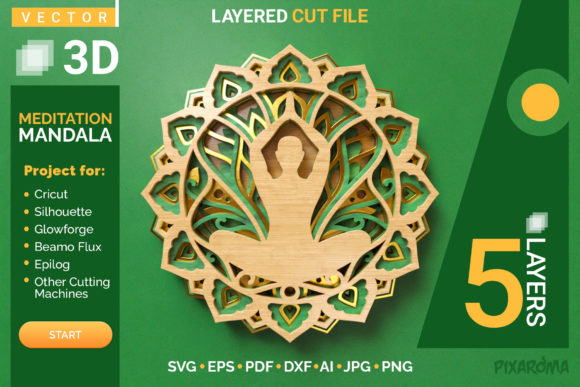
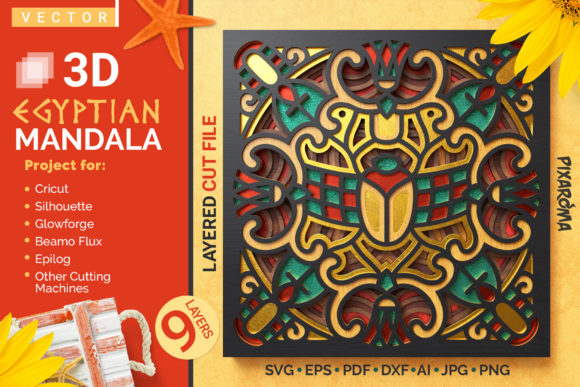
As a graphic designer who constantly balances aesthetic appeal with practical application, I recently evaluated the Egyptian Mandala 3D Layered SVG Cut File for an upcoming boutique branding project. My client, a small business owner launching a line of artisanal home decor and wellness products, needed a visual anchor that communicated history, spirituality, and intricate craftsmanship without feeling dated or overly ornate. Upon opening the file, my first impression was one of structural integrity and geometric precision. Unlike many generic mandalas found on creative marketplaces that rely on simple repetition, this asset offers a distinct "layered" quality that immediately suggests depth, even in a flat digital environment.
The mood created by this graphic design asset is undeniably atmospheric. It evokes the grandeur of ancient architecture while maintaining the delicate symmetry required for modern Crafts and decorative applications. The visual elements feel heavy yet elegant, representing a style that bridges the gap between historical illustration and contemporary digital product trends. For a client looking to establish a brand identity rooted in mindfulness or luxury handmade goods, this design naturally fits the narrative. It is not merely a clipart image; it is a foundational element capable of supporting a full visual system.
Adapting the Mandala for Diverse Commercial Applications
In real-world design scenarios, versatility is king. I tested how the Egyptian Mandala 3D Layered SVG Cut File performs across various mediums relevant to my client's launch strategy. For packaging design, the layered nature of the SVG allows for selective simplification. By isolating specific rings of the mandala, I could create a subtle watermark effect on product boxes that adds texture without overwhelming the label information. This approach works exceptionally well for product labels on essential oil bottles or candle jars, where the circular shape of the mandala complements the cylindrical form of the container.
When considering social media graphics and marketing visuals, the asset shines as a hero graphic. I envisioned using the full complexity of the design for Instagram posts announcing the brand launch, pairing it with bold, sans-serif typography to create a striking contrast. For printable design projects, such as downloadable meditation guides or event invitations, the high-resolution vector data ensures crisp lines regardless of the print size. Furthermore, for clients interested in physical merchandise, this file is ideal for a Cricut project. The layering instructions inherent in the file name suggest it is ready for multi-material cutting, allowing crafters to build actual 3D wall sculptures from cardstock or plywood, turning a digital download into a tangible Etsy product.
The potential extends to sublimation design for apparel and home goods. A t-shirt design featuring the central motif of the mandala could serve as a statement piece for a lifestyle brand. Similarly, applying this to mugs or tote bags creates an immediate sense of artistic value. However, when integrating this into web design or editorial design, caution is required. While it makes for a stunning background element on a landing page, it must be treated with low opacity to ensure it does not compete with call-to-action buttons or body text.
Strategic Placement and Visual Hierarchy Considerations
Understanding where this design asset works best is crucial for maintaining professional standards. It excels in large layout areas where its intricacy can be appreciated, such as hero sections on websites, large-format posters, or the focal point of a product mockup. It is perfect for themed collections where a consistent geometric language is needed across multiple SKUs. In these contexts, the Egyptian Mandala acts as a decorative accent that elevates the perceived value of the brand.
Conversely, there are scenarios where this asset should be used carefully. In small sizes, such as a favicon or a tiny social media profile icon, the detailed layers may merge into a visual blob, losing the intended impact. It is also risky to place this complex illustration over crowded layouts or busy photography; the lack of negative space within the mandala itself means it needs room to breathe. For minimalist branding or professional corporate materials that require a very clean visual hierarchy, this design might be too ornate. It demands a backdrop of simplicity to truly stand out. If used in low-contrast designs, the fine lines of the inner layers could disappear, reducing the overall professionalism of the output.
Impact on Brand Perception and Audience Engagement
The inclusion of the Egyptian Mandala 3D Layered SVG Cut File significantly affects readability and brand consistency if managed correctly. When paired with appropriate typography—perhaps a clean serif font for headings and a simple handwritten font for accents—it enhances emotional appeal. The geometric precision instills a sense of order and trust, which is vital for audience engagement in the wellness and luxury sectors. However, if the visual hierarchy is ignored, the mandala can distract from the core message, confusing the viewer rather than guiding them.
For a handmade business, using such a detailed illustration signals a commitment to quality and detail. It tells the customer that the brand values artistry. Yet, overuse can lead to visual fatigue. The key is to use the mandala as a supporting brand element rather than the sole identifier, ensuring that the logo design remains distinct and memorable.
Essential Designer Notes for Professional Implementation
Before finalizing any client deliverables with this file, I adhere to a strict checklist of practical designer notes. First, always test the design in black and white. This reveals whether the contrast between the layers is sufficient for monochrome printing, which is common in commercial design for receipts or single-color merchandise. Second, check contrast on both light and dark backgrounds; the intricate lines may vanish against a dark texture unless a stroke or glow effect is applied.
Preview the asset at both small and large sizes to gauge legibility. Place it on real product mockups to see how the curves interact with physical surfaces. If the package includes PNG files, inspect the transparency thoroughly to ensure no halos exist around the edges. Since this is an SVG, verify the vector editability; can you easily ungroup the layers to change colors individually? This is essential for creating variations for a design bundle. Compare how the mandala interacts with different typefaces, ensuring the visual hierarchy remains intact whether paired with a modern sans-serif or a classic display font.
Finally, and most importantly, confirm the commercial license terms. As a professional working on paid client projects, ensuring the commercial license covers unlimited sales or specific product types is non-negotiable. Whether you are a print-on-demand seller or a branding agency, understanding the rights associated with this creative marketplace find protects both you and your client. The Egyptian Mandala 3D Layered SVG Cut File is a powerful tool in the modern designer's arsenal, offering a blend of historical allure and functional flexibility that, when used with discernment, can transform a standard project into a captivating visual experience.