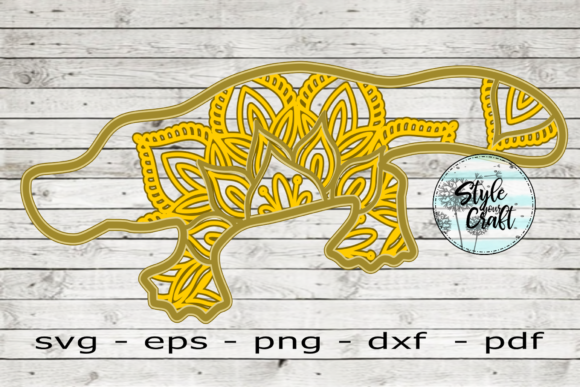
3D Platypus Mandala: A Unique 3D SVG for Shapes
As a digital publisher who has spent years curating visual assets for high-traffic blogs and editorial sites, I approach every new graphic design asset with a critical eye. It is not enough for an image to be pretty; it must perform. It needs to stop the scroll on Pinterest, anchor a website header without slowing down load times, and convey a specific mood that aligns with brand identity. When I first encountered the 3D Platypus Mandala, my immediate reaction was one of intrigue regarding its potential in niche content marketing. This is not your standard stock photography or flat vector icon. It is a complex, layered composition that bridges the gap between whimsical nature illustration and structured geometric art.
The first impression this asset creates is distinctly playful yet sophisticated. The combination of the platypus, an animal that naturally sparks curiosity and conversation, with the intricate symmetry of a mandala, results in a visual that feels both educational and artistic. For bloggers operating in the lifestyle, nature, parenting, or creative DIY niches, this digital download offers a unique opportunity to break away from generic imagery. It establishes an editorial mood that says "we pay attention to detail" and "we value creativity." In a sea of minimalist line art and overused stock photos, the depth and texture implied by this design command attention, fostering immediate reader trust through superior visual hierarchy.
Integrating Layered Depth into Your Publishing Workflow
The core strength of the 3D Platypus Mandala lies in its versatility as a 3D SVG file. Unlike a static JPEG, this format allows for infinite scalability and manipulation, which is crucial for modern web design and editorial design. In my own workflow, I envision using this asset across a multitude of touchpoints. For instance, as a featured image for a blog post about Australian wildlife, unique animal facts, or even mindfulness and meditation (given the mandala structure), this graphic serves as a powerful hook. Its complexity invites the user to look closer, increasing dwell time on the page before they even read the first sentence.
Beyond the blog post itself, this asset is a goldmine for social media graphics, particularly Pinterest pins. Pinterest is a visual search engine where vertical, high-contrast images thrive. The layered nature of this design allows a publisher to separate elements, placing the platypus silhouette against a solid color background while using the mandala patterns as a subtle watermark or border. This creates a professional-looking pin that stands out in the feed. Furthermore, for newsletter creators, this image can serve as a striking header graphic that reinforces brand consistency. When subscribers see this distinct style repeatedly, it builds category recognition and strengthens the overall brand identity.
For those creating digital products, the applications are equally robust. Imagine a digital guide on nature journaling or a printable coloring book for children. The 3D Platypus Mandala can be adapted into a printable design or used as a cover element for an eBook. Because the original description highlights its suitability for shadow boxes and wall decor, it translates beautifully into physical-digital hybrid products. You could offer this as a standalone lead magnet for crafters who own cutting machines, positioning it as a premium freebie to grow your email list. This strategy leverages the asset's inherent value to drive content marketing goals.
Optimizing Visual Performance and Reader Engagement
From a performance standpoint, incorporating assets like the 3D Platypus Mandala can significantly boost click-through potential. Humans are drawn to patterns and faces; this design offers both. When used as a thumbnail for video content or a category image on a homepage, it provides a clear focal point. However, successful integration requires careful consideration of context. This design shines brightest in hero images, article thumbnails, and dedicated blog graphics where it has room to breathe. It works exceptionally well when paired with bold, sans-serif fonts that contrast with the organic curves of the mandala, or even elegant script fonts that mirror its decorative nature.
However, there are scenarios where caution is advised. Due to the intricate details of the mandala and the specific features of the platypus, this asset might lose clarity when scaled down to very small mobile thumbnails or favicon sizes. In these instances, the fine lines could blur, reducing readability. Additionally, for websites in strictly corporate, financial, or serious professional niches, the whimsical nature of a platypus might clash with the desired tone of authority and minimalism. It is also vital to avoid placing this busy design over text-heavy backgrounds or low-contrast colors, as this can create visual noise that distracts rather than engages. The key is to let the Shapes and layers support the content, not overwhelm it.
Practical Notes for the Modern Publisher
Before deploying the 3D Platypus Mandala in a live environment, I recommend a rigorous testing phase. First, preview the asset on both desktop and mobile screens to ensure the layering effect translates well across different viewports. Check how it looks specifically as a thumbnail in your CMS; if the details vanish, consider simplifying the background or increasing the contrast. Test the image alongside various typography styles—serif for an editorial look, handwritten for a personal touch, and display fonts for impact. This ensures the graphic complements your existing modern design system.
Technical optimization is non-negotiable. While SVGs are generally lightweight, if you are exporting raster versions for social media or email, ensure you compress the images properly to maintain fast page load speeds. Slow sites kill conversion rates. Finally, and perhaps most importantly for monetized sites, always confirm the commercial licensing terms. If you are using this for affiliate marketing, selling Canva templates, or including it in paid courses, you must verify that the license from the creative marketplace permits such use. Understanding the difference between personal and commercial license rights protects your business from legal issues down the line.
Ultimately, the 3D Platypus Mandala represents more than just a cute animal illustration; it is a strategic tool for small business branding and creative design. By leveraging its unique blend of nature and geometry, publishers can create memorable visual experiences that resonate with audiences. Whether used to decorate a website header, enhance a digital product, or add flair to a social media campaign, this asset proves that thoughtful design is the backbone of effective content publishing. When used with intention and technical precision, it elevates the perceived quality of your entire digital presence.